
Yellow flowers bring instant joy and warmth to any home garden. Their bright sunny colors make outdoor spaces feel happy and inviting. Below we have put together an extensive list of yellow flowers names and pictures to help you pick the best plants for your yard.
Whether you want to build a brand new garden bed or just learn more about nature, this guide is here to help. There are many unique kinds of yellow flowers to explore, each with its own unique character and natural beauty.
From tall sunflowers to classic yellow roses and tough black eyed susans, exploring different types of yellow flowers allows you to design a landscape that blooms with rich color all year long.
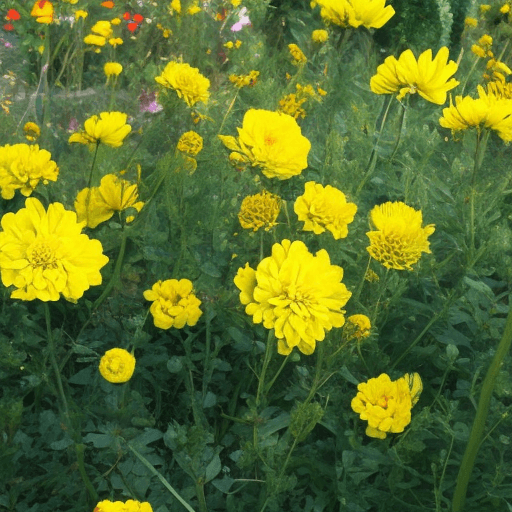
Table of Contents
List of Yellow Flower Names and Pictures
There is a wide variety of yellow plants available for home gardens. Each species offers a unique structure and petal pattern. Here is a look at some top choices to help you identify bright yellow flowers for your yard.
1. Daffodil (Narcissus spp.)
Daffodils are classic harbingers of spring. They feature trumpet-shaped flowers that range in color from pale lemon to deep golden yellow. These hardy bulbs bloom reliably from late spring to early summer.
Daffodils grow best in USDA hardiness zones 3-8. They love spots with full sun or light shade. Because they open early in the year, they easily earn the title “flower of spring” among gardeners everywhere.
2. Marigold (Tagetes spp.)
Marigolds are easy-to-grow annual plants. They come in many sizes and styles. Some varieties produce small, star-shaped flowers, while others feature large pompom-shaped flowers.
These tough plants bloom continuously through summer and fall. They thrive in sunny spots across almost all climate zones. Planting marigolds in your garden is a great way to attract pollinators like bees and butterflies to your yard.
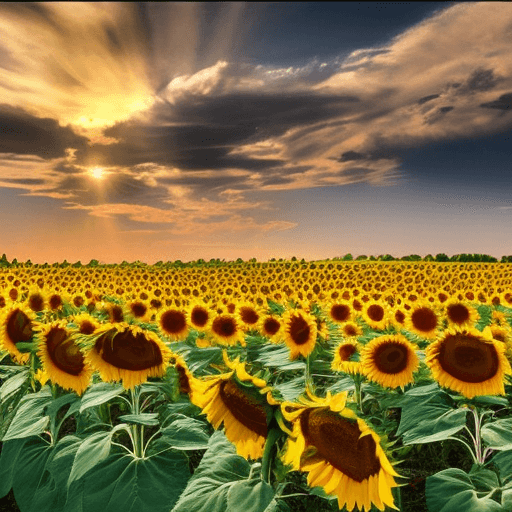
3. Sunflower (Helianthus annuus)
Sunflowers are famous for their giant size and cheerful round faces. They produce wide disc-shaped flowers with long golden petals. They can grow as annuals or long-lived perennials.
Sunflowers need a location with full sun to reach their maximum height. They start blooming in early summer and keep going until late autumn. They grow well across USDA zones 3-9 and are naturally drought tolerant once established.
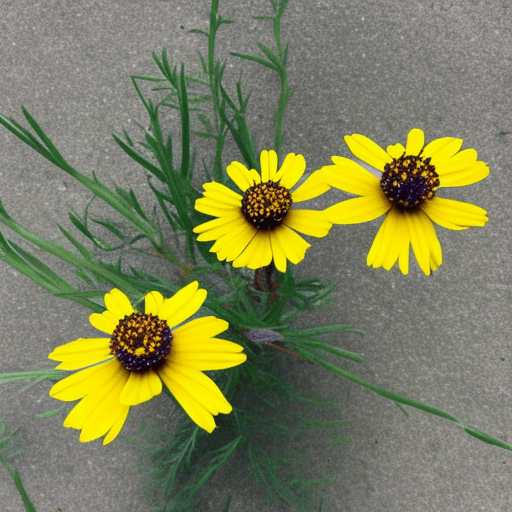
4. Coreopsis (Coreopsis spp.)
Coreopsis is commonly known as tickseed. This plant family includes both annual and perennial types. It features bright, daisy-shaped flowers that rest on top of slender stems.
These resilient plants grow best in zones 4-9. They bloom throughout summer and fall. Because they are exceptionally drought tolerant, they thrive even in sandy or poor garden soils.
5. Daisy (Bellis perennis)
Yellow daisies bring classic charm to borders and flower beds. They feature neat rows of petals that form star-shaped flowers around a central yellow core.
Daisies grow easily in USDA zones 4-8. They enjoy moist soil and plenty of daily sunlight. Their cheerful yellow blooms will light up your garden all season long.
Most Common Kinds of Yellow Flowers
Beyond basic garden choices, there are many other popular types of yellow flowers to discover. Let’s look at more species that do well in home landscapes.
6. Black Eyed Susans (Rudbeckia hirta)
Black eyed susans are popular North American wildflowers. They display cone-shaped flowers with bright yellow petals wrapping around a dark central disk.
These perennials thrive in USDA zones 3-9. They begin blooming in early summer and keep flowering well into autumn. They are very drought tolerant and work wonderfully to attract pollinators like native bees and butterflies.
7. Yellow Roses (Rosa spp.)
Classic yellow roses bring elegance and sweet perfume to any property. They produce beautiful cup-shaped flowers on sturdy, woody stems.
Most rose bushes grow well in zones 4-9. They need a location with full sun and rich soil to produce their big blooms from late spring straight through autumn.
8. Forsythia (Forsythia spp.)
Forsythia is a fast-growing spring shrub. Early each year, its branches become covered in small, bell-shaped flowers before any green leaves appear on the plant.
Forsythia bushes thrive in hardiness zones 4-8. They need a spot with full sun to produce their brightest golden spring display.
9. Yellow Daylily (Hemerocallis spp.)
Daylilies are famous for being tough and easy to grow. They feature large trumpet-shaped flowers that open wide to face the sun.
Daylilies grow across USDA zones 3-9. They bloom from early summer into mid-season. They are highly drought tolerant plants that handle hot summer weather without wilting.
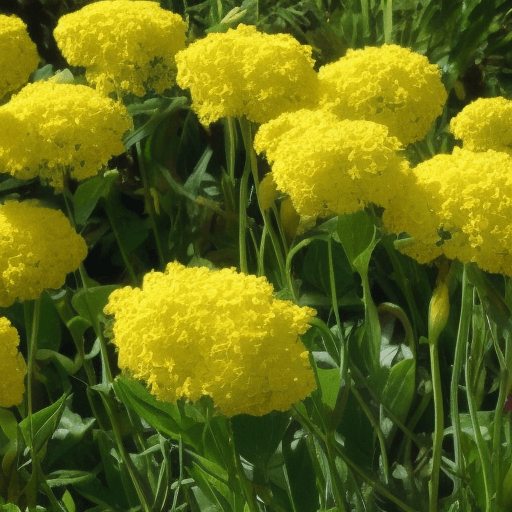
10. Yarrow (Achillea millefolium)
Yarrow is a hardy perennial with unique flat-topped clusters of tiny golden blooms. These cluster-shaped flowers sit above soft, fern-like green leaves.
Yarrow grows easily in zones 3-9. It flowers throughout summer and fall. Because it is so drought tolerant, it is ideal for dry garden spots where other plants struggle.
11. Goldenrod (Solidago spp.)
Goldenrod is a late-season wildflower that lights up fields in autumn. It forms tall plume-shaped flowers packed with hundreds of tiny golden buds.
Goldenrod grows well in zones 3-9 in full sun. It is remarkably drought tolerant and serves as a vital autumn food source to attract pollinators before winter arrives.
12. Lantana (Lantana camara)
Lantana produces tight dome-shaped flowers made of tiny individual blossoms. Its bright yellow petals stay colorful even during intense summer heatwaves.
Lantana thrives in warm regions (zones 7-11). It is extremely drought tolerant and loves full sunshine, making it one of the easiest types of yellow flowers for hot climates.
Popular Yellow Flowers Comparison Table
To help you choose the best plants for your yard, here is a helpful comparison table showing key traits for different golden flowers:
| Flower Name | USDA Zones | Bloom Season | Sun & Water Profile |
| Daffodil | Zones 3-8 | Spring to early summer | Full sun; medium water |
| Marigold | Zones 2-11 (Annual) | Summer and fall | Full sun; medium water |
| Sunflower | Zones 3-9 | Early summer to fall | Full sun; drought tolerant |
| Black Eyed Susan | Zones 3-9 | Early summer to fall | Full sun; drought tolerant |
| Yellow Rose | Zones 4-9 | Late spring to fall | Full sun; medium water |
| Coreopsis | Zones 4-9 | Summer and fall | Full sun; drought tolerant |
| Forsythia | Zones 4-8 | Early spring | Full sun; medium water |
| Yarrow | Zones 3-9 | Summer and fall | Full sun; drought tolerant |
The Symbolic Meaning of Yellow Flowers
Yellow flowers have long been loved for their bright visual appeal, but they also carry deep symbolic meanings across many cultures.
The color yellow symbolizes light, joy, optimism, and warm energy. When you give yellow petals to a friend, it shows joy, loyalty, and true affection.
In traditional flower lore, giving fresh yellow flowers can sometimes be interpreted as a promise that the sender will stay true and keep their word.
Yellow blooms are also ideal in gifts sent across long distances. They show that you miss someone dearly and look forward to meeting again soon.
Benefits of Planting Yellow Flowers
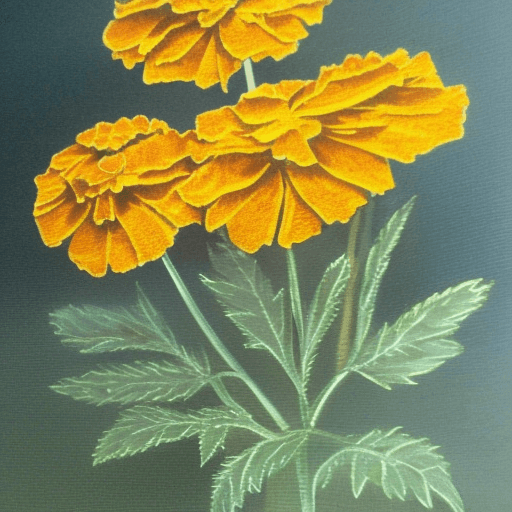
Adding yellow plants to your landscaping offers great benefits for your whole outdoor space:
- Boosts Curb Appeal: Bright yellow petals catch the eye fast. They fill empty spaces with warm, vibrant color.
- Supports Garden Wildlife: Many species easily attract pollinators like honeybees, wild bees, and butterflies.
- Low Maintenance Choice: Many varieties are naturally drought tolerant and flourish across wide regions like zones 3-8, zones 4-8, and zones 4-9.
Adding golden plants into your garden layout is a simple way to make your yard look bright and healthy.
Tips for Planting and Caring for Yellow Flowers
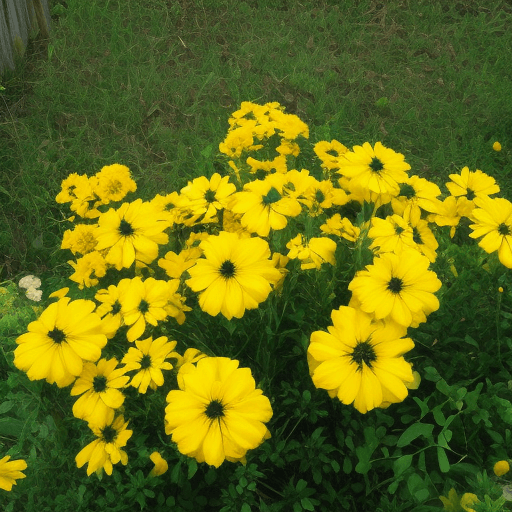
Growing a healthy garden filled with yellow blooms is easy when you follow basic care steps:
- Pick a Sunny Spot: Most golden plants require a location that gets full sun for at least six hours every day.
- Prepare the Soil: Mix compost into your soil so it drains well. Well-draining soil prevents root rot.
- Select Local Varieties: Choose flowers that are tolerant of the weather conditions in your growing region.
- Prune Old Flowers: Cut away dead blooms regularly. This encourages your plants to produce new buds.
- Water and Feed Properly: Water your plants when the top layer of soil feels dry and fertilize occasionally with a general-purpose liquid plant food.
With just a little care, your yellow flower garden will bloom happily all season long!